
Owning a golf cart comes with plenty of conveniences—easy transportation, low maintenance, and reliable performance on the course or around the neighborhood. But to keep your cart running smoothly for years, learning how to store your golf cart is essential. Whether you’re tucking your cart away for a few weeks or preparing it for long-term seasonal storage, a little preparation goes a long way. The right steps help protect the battery, prevent corrosion, avoid mechanical issues, and preserve the overall condition of your investment.
This guide walks you through exactly how to store your golf cart properly, breaking down what to do before, during, and after storage so that your cart stays in excellent shape year-round.
1. Start With a Thorough Cleaning
Before putting your cart away, give it a complete cleaning. Dirt, sand, salt, and moisture can damage surfaces over time, especially in coastal or humid areas. A clean golf cart is less prone to rust, stains, or mold—a critical first step many owners overlook.
Clean before storing by:
- Washing the exterior with mild soap and water
- Spraying the undercarriage to remove sand and debris
- Wiping down seats, dashboards, cup holders, and handles
- Drying every surface completely
Cleaning also makes long-term storage safer by preventing pests and mildew. A little effort now keeps your cart looking and functioning better when you take it back out.
2. Charge and Prepare the Batteries
Battery maintenance is one of the most important parts of storing a golf cart correctly. Whether you have an electric cart or a gas-powered one, proper battery care prevents costly replacements later.
Store Your Golf Carts – For Electric Carts

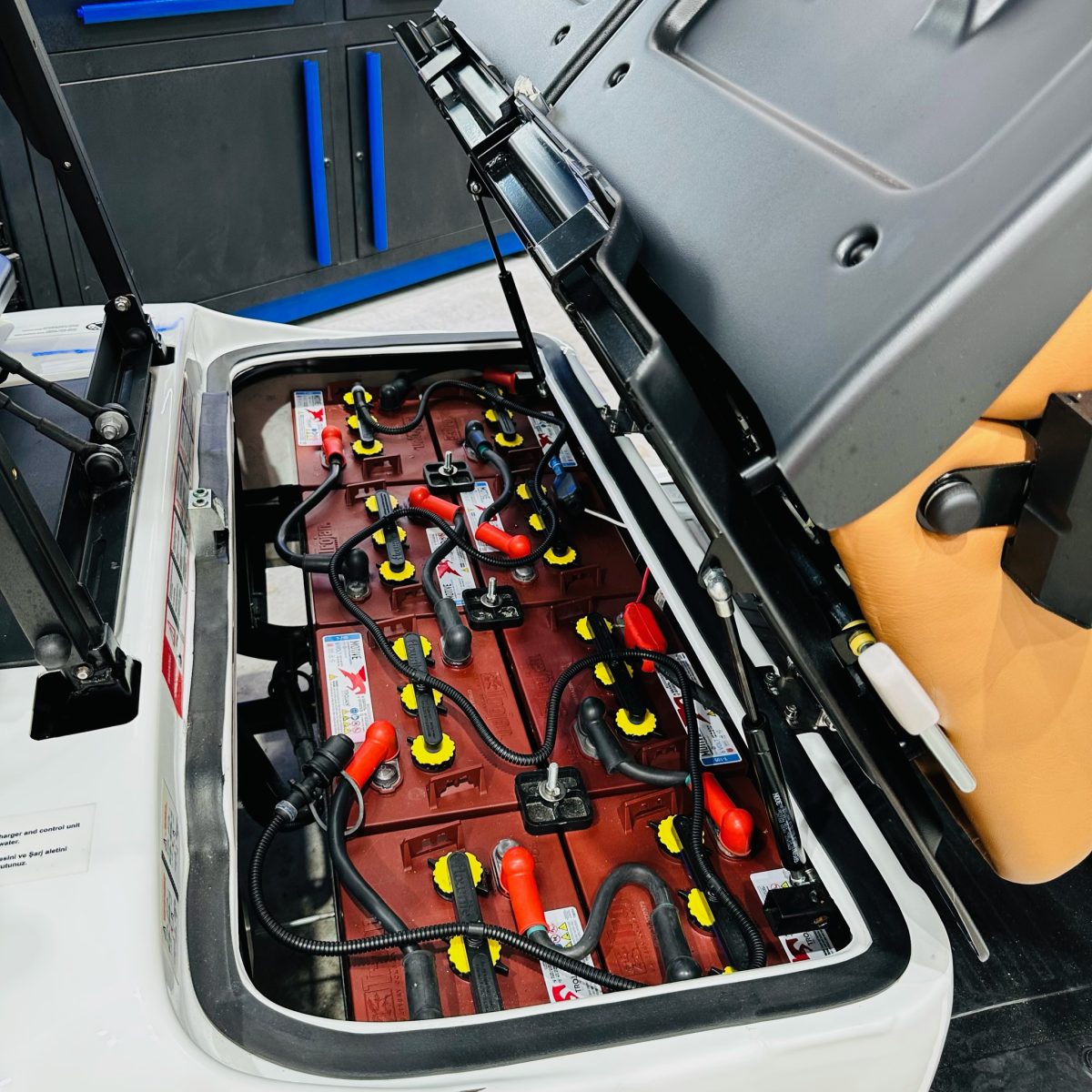
Electric carts rely on deep-cycle batteries, and these can degrade if left improperly charged.
Before storing:
- Fully charge the batteries
- Top off water levels with distilled water only
- Clean corrosion from the terminals
- Flip the tow/storage switch (if your cart has one)
- Disconnect aftermarket electronics
- Plug into a smart charger or float charger if available
Smart chargers maintain the correct charge level without overcharging. If you don’t have one, set a reminder to recharge your batteries every 30–45 days to prevent them from dropping to a damaging low level.
Store Your Golf Carts – For Gas Carts

Gas-powered carts need a slightly different storage routine.
Before storing:
- Add a fuel stabilizer to the gas tank
- Run the engine briefly to circulate the stabilizer
- Check oil and top off if needed
- Replace dirty air filters
- Turn the key off and remove it
This prevents stale gas from clogging your carburetor and keeps your engine healthy.
3. Inflate and Inspect the Tires
Tires gradually lose air over time, especially when sitting for long periods. Underinflated tires can develop flat spots that make the ride rough when the cart is back in use.
Before storing, make sure to:
- Inflate all tires to the manufacturer’s recommended PSI
- Inspect the tread and sidewalls for cracks or damage
- Move the cart slightly every few weeks, if possible
If you plan on long-term seasonal storage, placing the cart on jack stands is the best way to reduce pressure on the tires and suspension.
4. Avoid Using the Parking Brake
While the parking brake is essential for daily use, leaving it engaged for months at a time can cause the brake cable to stretch or even seize. Instead of activating the parking brake, store your golf cart on a level surface and place the cart in neutral or “tow/storage” mode.
This simple change helps protect your brake system from unnecessary strain.
5. Store in a Cool, Dry, Protected Environment
Where you store your golf cart can be just as important as how you prepare it.
Ideal storage locations include:
- A garage
- A shed or barn
- An enclosed carport
- A dedicated golf cart storage unit
Avoid areas with high humidity, direct sunlight, heavy dust, or standing water. These conditions can lead to corrosion, fading, mold, or electrical issues over time. If indoor storage isn’t possible, invest in a high-quality, breathable, weatherproof cover designed specifically for your golf cart. This protects it from UV rays, rain, debris, and pests.
6. Disconnect Accessories and Secure Belongings
Before you walk away from your stored cart, double-check anything that runs on power or could attract pests. Remove or disconnect:
- Radios or speakers
- USB chargers
- LED light bars
- Removable enclosures
- Personal items like gloves, towels, and valuables
This not only prevents battery drain, but it also helps deter rodents or insects from nesting in your cart.
7. Cover the Cart Properly
A breathable cover is essential for long-term storage. Avoid plastic tarps or non-breathable fabrics because they trap moisture, which can lead to mildew or rust. Choose a fitted golf cart cover that allows air circulation while protecting your cart from the elements.
8. Inspect Your Golf Cart When You Bring It Back Out
Once storage season is over, perform a quick inspection before driving again.
Check:
- Battery or fuel levels
- Tire pressure
- Lights and electrical components
- Braking system
- Any signs of corrosion
This ensures your cart is safe and ready for use without unexpected breakdowns.
Final Thoughts on How to Store Your Golf Cart
Learning how to store your golf cart properly doesn’t take much time, but it makes a huge difference in performance, safety, and longevity. With the right preparation—cleaning, battery maintenance, tire care, and proper storage conditions—you can protect your investment and enjoy a smooth, reliable ride whenever you’re ready to hit the road or course again.